
Change the Date?
Australia Day, Reconciliation and the Politics of Division

This project explores the experiences, values and stories that shape how Australians understand identity, belonging and their place in a shared future. The research examines how national conversations influence public understanding and how greater insight into both our differences and common ground might contribute to a stronger, more connected Australia.


Change The Date? Australia Day, Reconciliation and the Politics of Division.
RESEARCH PROJECTThis project explores how Australians make sense of identity, belonging and our shared future. It examines the stories, experiences and ideas that shape public conversations about who we are, how we relate to one another, and how a diverse society navigates complex questions about history, community and national identity.
Drawing on Indigenous knowledge, community perspectives and interdisciplinary research, the project aims to generate new insights, practical resources and opportunities for reflection that support constructive dialogue, deeper understanding and a stronger sense of connection across Australian communities.

RQ1: How do polarising debates emerge and how are they resolved (if at all)?
This will be addressed through a mapping of media and political narratives of (mis)information about First Peoples and Australian identity (C1) and ethnographic case studies of local councils and the Australia Day debates (C2).

RQ2: What are public views on Australian national identity and how are these views being shaped?
This will be addressed through a nationally representative survey of individuals to measure narrative salience and impact on polarised attitudes (C3). It will analyse what these views mean in relation to relevant political theories of the state, sovereignty, liberal democracy and indigenous rights of self-determination

RQ3: How can we develop a shared and inclusive national understanding of what it is to be Australian?
This will be addressed through a collaborative narrative survey to understand how intervention narratives can reduce polarisation (C4) and the development of a toolkit for grassroots engagement about national identity and reconciliation, applying an Indigenous community yarning methodology (C5).
An Indigenous-Led Approach to Understanding and Shared Learning
This project brings together Indigenous methodologies, community perspectives and interdisciplinary research approaches to explore how Australians understand identity, belonging and national community.
Through the analysis of public conversations, local experiences, community perspectives and collaborative dialogue, the research seeks to better understand how people make sense of issues that shape Australia's future. An Indigenous approach informs the work throughout, recognising the importance of relationship, listening, story, lived experience and respectful exchange as pathways to deeper understanding.
The project combines several complementary methods to explore how public narratives emerge, how they influence attitudes and experiences, how communities navigate difficult conversations, and how people from diverse backgrounds understand what it means to belong in Australia.
Importantly, the project is designed to create opportunities for learning in both directions. Rather than assuming what communities need to know, it seeks to understand what people are curious about, what questions they are asking, what knowledge they value, and what helps them feel more confident engaging with complex issues that affect their lives and communities.
Insights from participants, community organisations and stakeholders will help inform the co-design of accessible educational resources, conversation tools and community learning materials. These outputs will build on strengths, shared experiences and existing knowledge, while creating opportunities to explore histories, perspectives and stories that may not always be visible in mainstream discussions.
The aim is not simply to generate research findings, but to support learning, understanding and the development of practical resources that help people engage more confidently, thoughtfully and constructively with one another and with Australia's evolving national story.

Why do some ideas gain widespread attention while others struggle to be heard?
How do stories about identity, history, belonging and nationhood emerge, spread and influence public discussion?
Who helps shape these conversations, and how do different perspectives compete, reinforce or challenge one another?
Public debates about issues such as Australia Day, reconciliation, citizenship, constitutional recognition and national identity often reveal deeply held beliefs about Australia's past, present and future. Yet these conversations can also raise important questions about whose voices are amplified, whose experiences are recognised, and how public understanding is formed over time.
This component explores the narratives that appear across media, politics and public life, examining how ideas circulate, evolve and influence broader community conversations.
By better understanding how public narratives develop, the project aims to contribute to a more informed understanding of the forces that shape contemporary discussions about identity, belonging and Australia's shared future.
If you are interested in how public conversations influence the way Australians understand themselves and one another, subscribe to our newsletter to follow the project's progress and receive updates as new insights emerge.
When
TBA
Research Contact
TBA
Capacity
TBA

How can people discuss difficult issues without losing the ability to listen to one another?
What makes a conversation feel respectful, even when people disagree?
How do people navigate questions of identity, history, democracy and reconciliation when experiences and viewpoints differ?
What conditions encourage honesty, curiosity and reflection?
What happens when people feel able to speak openly about the things that matter most to them?
And is it possible to strengthen understanding without requiring consensus?
This component explores how communities engage with complex questions and examines approaches that may help support constructive dialogue across diverse perspectives and experiences.
When
TBA
Instructors
TBA
Capacity
TBA
Join the conversation
Join a growing conversation about identity, belonging and Australia's future. Follow the research to explore diverse perspectives, emerging insights and opportunities to better understand the stories shaping our nation.
Research Team
-
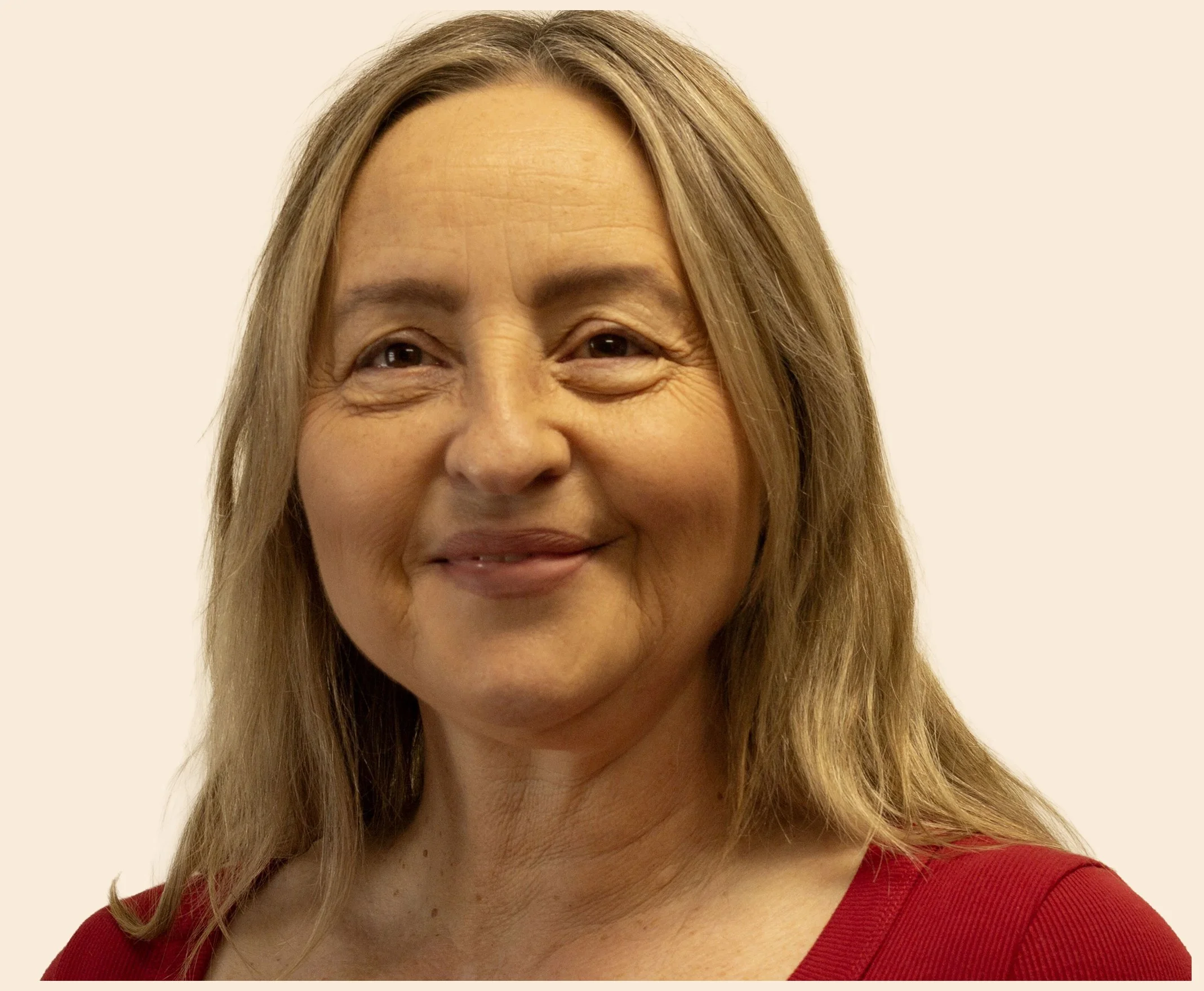
Dr Jen Mason
Australian National University
-

Professor Dean Lusher
Swinburne University of Techonology
-
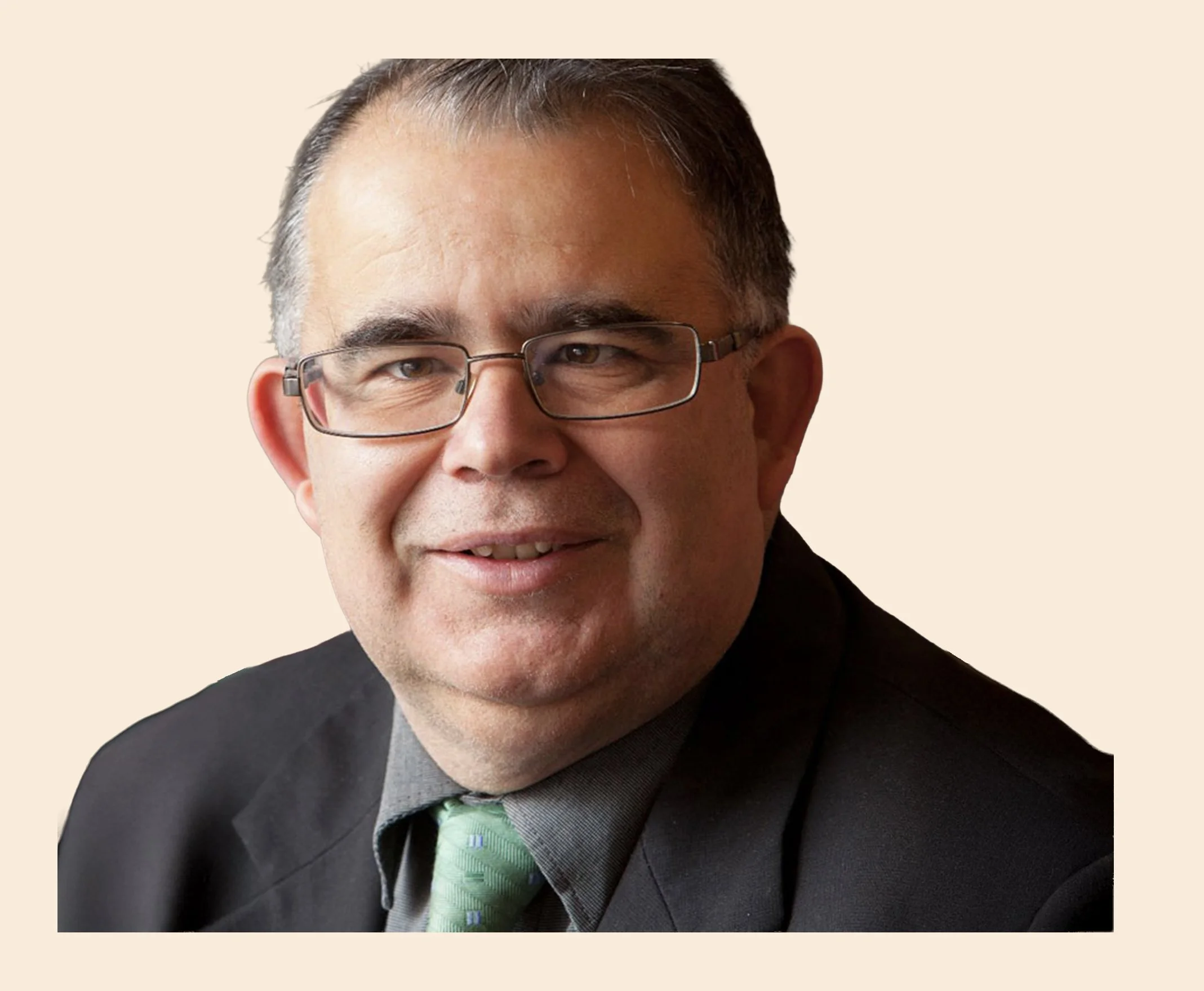
Professor Dominic O'Sullivan
Charles Sturt University
-
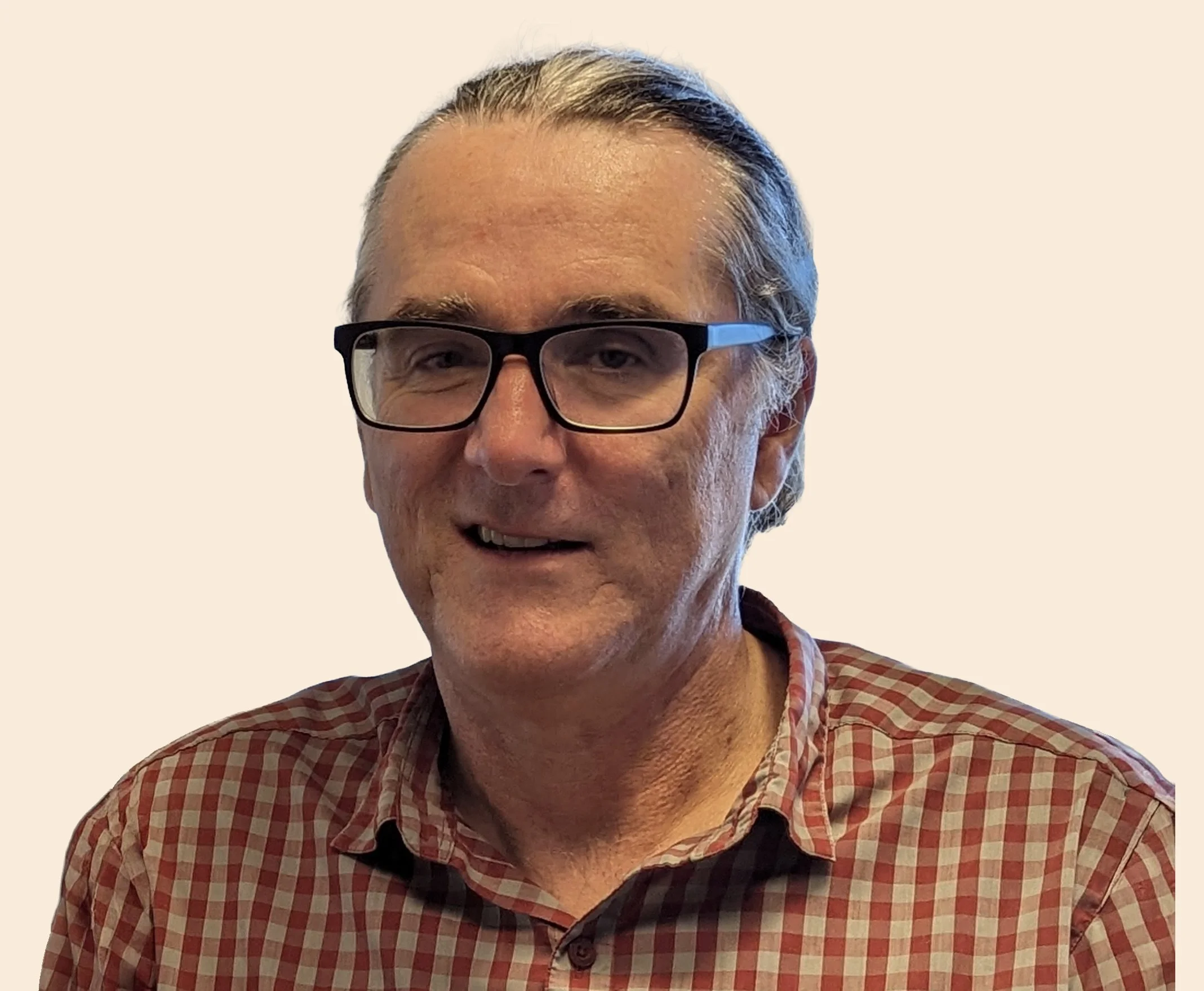
Professor Robert Ackland
Australian National University
-

Professor Tanya Jakimow
Australian National University
coming soonA 4-year project 2026 - 2029
Building First Peoples Research Capacity
PhD Candidates
Research Assistant
2026-2029
Stay connected as the project unfolds
Subscribe for updates, insights and future opportunities to engage.